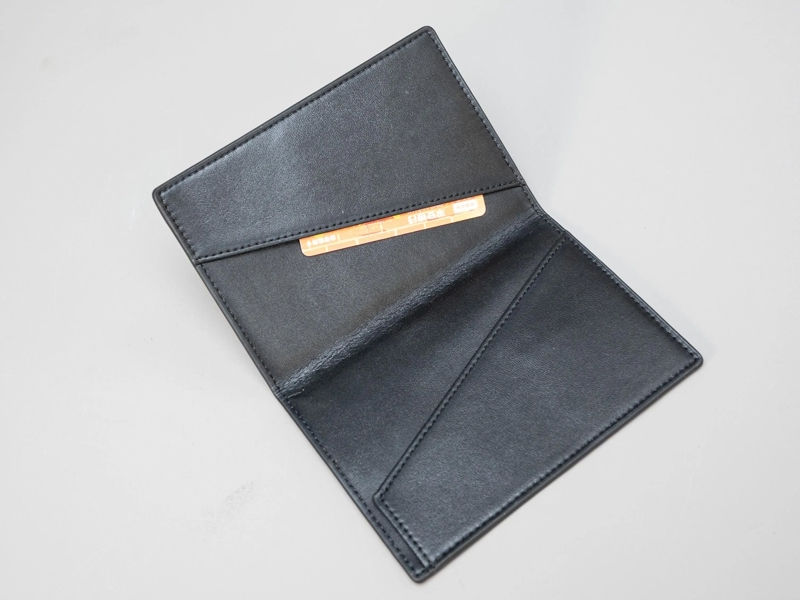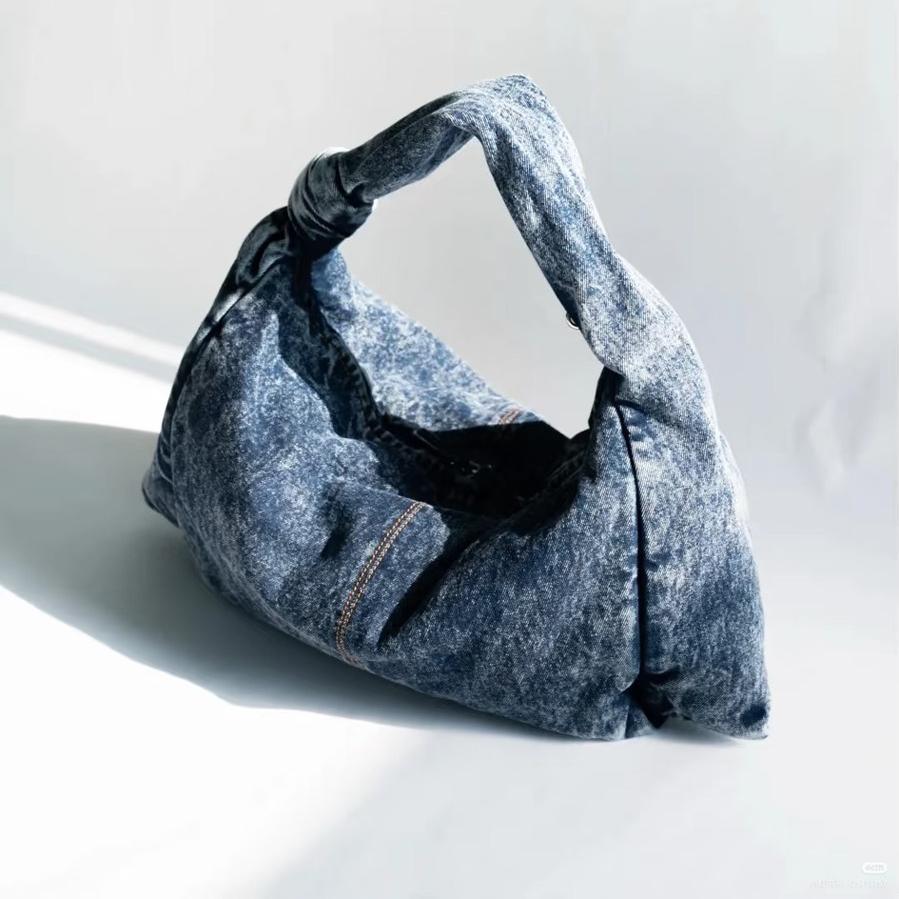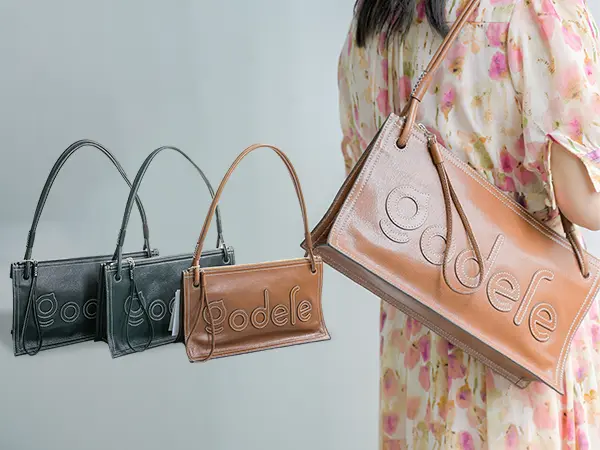
What quality inspections does Godere run before wallet shipment?
The Four Process
1.Hide, Trim and Components
Problems that surface in a customer hand usually began as a material difference nobody wrote down. Every consignment of hide is therefore held to a retained master card for gauge in millimetres, tone and handle. Blemishes that would land inside a visible panel are counted and set aside at this point. Lining cloth is examined for weight and tone, sewing thread for shade, and clasps or zip units for pattern, coating and travel, since a plated clasp from another production lot can read differently on dark hide even when the specification has not moved.
2.Bench Work
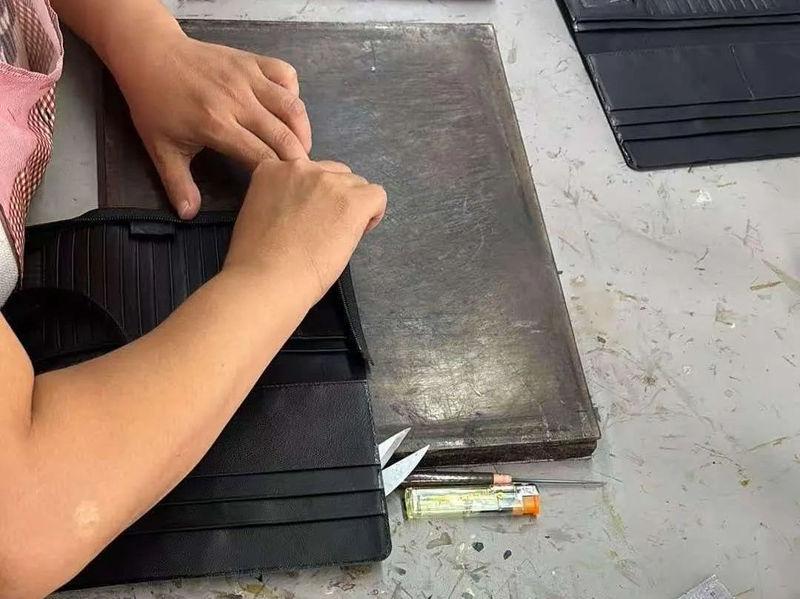
The bench is where a wallet is either convincing or not. Our checks cover seam count, thread tension on both faces of the join, skipped or repeated seams, alignment where panels meet, and the symmetry of the card pockets. Hide is a moving material, so the check is repeated at the opening, middle and close of every bundle instead of once at set up. That is how a drift from a worn needle or a fresh bobbin is caught before it reaches the end of the order.
3.Finished Goods
Every unit gets a visual pass. The visual list covers unwanted marks, uneven edge paint, loose ends, scratches on metal parts and tone spread between panels. A defined sample then goes to the measuring table, where closed and open dimensions are held to the agreed tolerance, seam count is verified, edge paint coverage is reviewed and every clasp and zip is worked by hand.
Where a buyer works to a formal sampling scheme, we apply ISO 2859-1 with an inspection level and acceptance limit agreed when the order is placed. For leather goods the usual arrangement is level II with 2.5 for major defects and 4.0 for minor ones. Defect classes are written down instead of argued, so that a scratch on the interior pocket and a failed zip are never treated as the same fault.
4.Packing and Load Out
The final gate protects the buyer after the goods leave our hands. We confirm the count, verify carton marking and inner protection, check that the size and tone assortment is correct, and photograph the packed crates with the packing list. For sea freight a packed carton also goes through a drop and compression test, since a wallet that survives the factory does not always survive four weeks of container compression. Silica packs, poly bags and barcode labels are reviewed at the same point, because a missing desiccant reappears later as a mould complaint.
| Process | Frequency | Points examined |
| Hide, trim and components | Every consignment, lot by lot | Hide reference, gauge, tone, handle, blemishes; lining cloth and sewing thread held to the master card; clasps and zip units to the signed sample |
| Bench work | Opening units, then per bundle | Pattern match, direction of stretch, exclusion of scars and growth marks, count of panels |
| Finished goods | Every unit visually, plus a sample measured | Surface appearance, seam count, skipped seams, edge paint, clasp and zip function, card pocket depth |
| Packing and load out | Once per finished order | Count, tone spread, carton marking, inner protection, crate configuration, photographs |
What Cannot Be Promised
Two limits are worth stating plainly. Hide varies, so the acceptance standard is a graded spread set against a master card, not an exact duplicate of a photograph. Component performance is different, as it depends on the purchased part, so we test and sign off instead of assuming. Where a buyer asks for cycle testing, the target is agreed as a figure, such as a stated count of zip operations or clasp closings, and the result is filed with the order docket. Non conforming stock is quarantined under a defect class, and re examination after rework is signed off by the person who releases the order.
Next :
-
Related News
- How does Godere Keep Wallet Quality Consistent in Mass Production?
- Godere Extends Warm Mid-Autumn Festival Wishes to Global Partners
- How Is a Genuine Leather Bag Born?
- How did Godere assist a German client with the prototyping and development of their first custom wallet?
- Behind Goderebag Production: From Pattern-making to Leather Cutting
- How to Choose a Commuter Underarm Bag? A Comprehensive Comparison Guide: PVC vs. PU Materials
Leave me a message