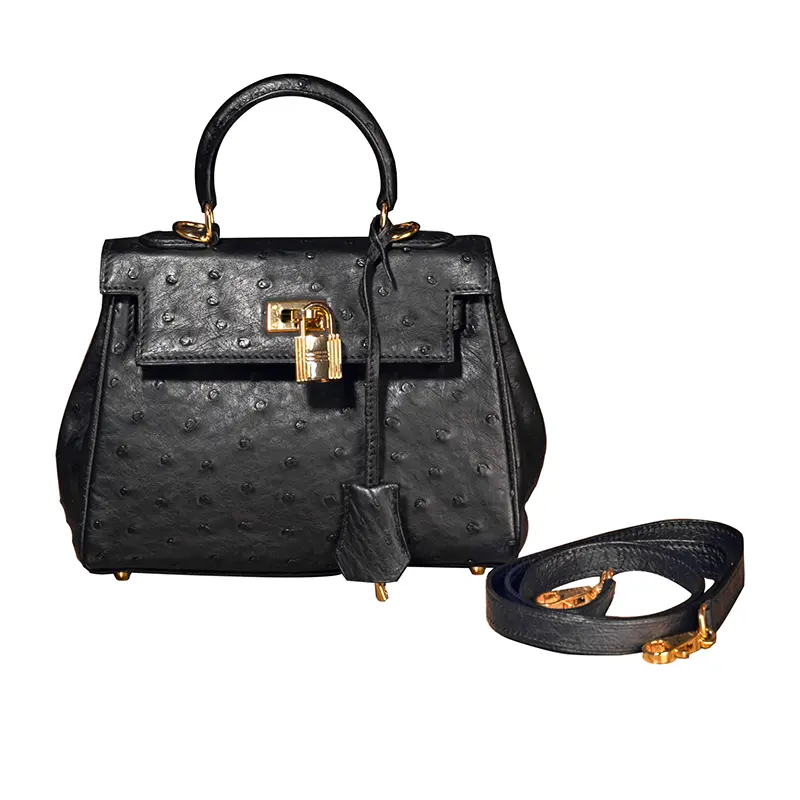
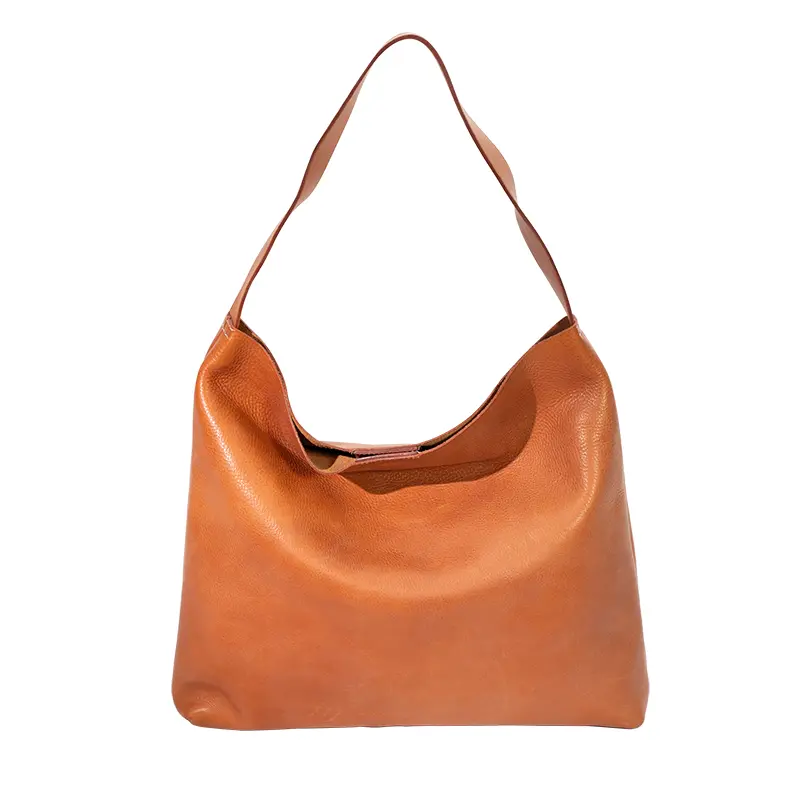
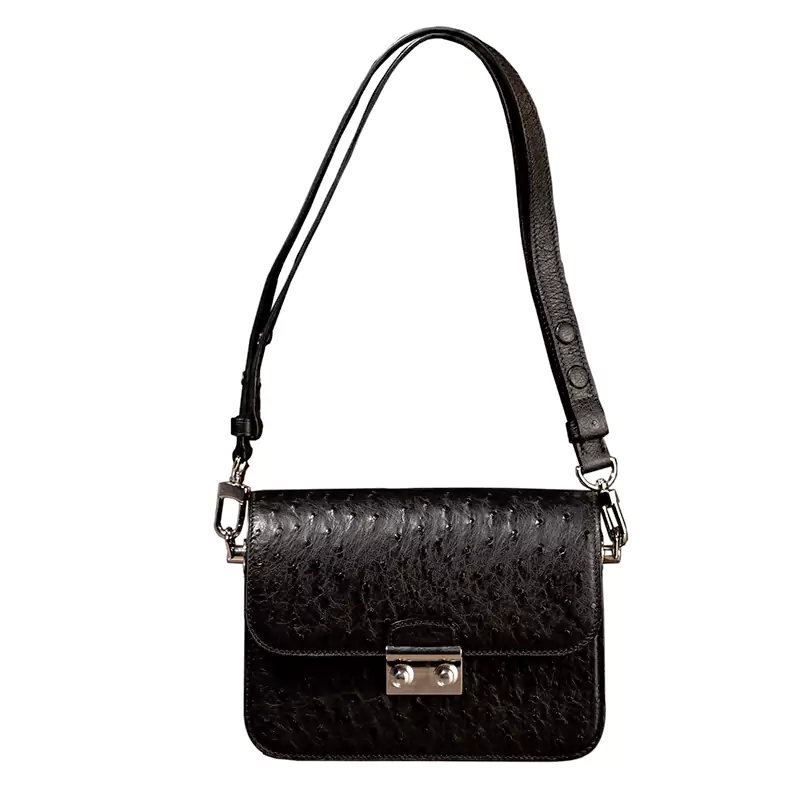
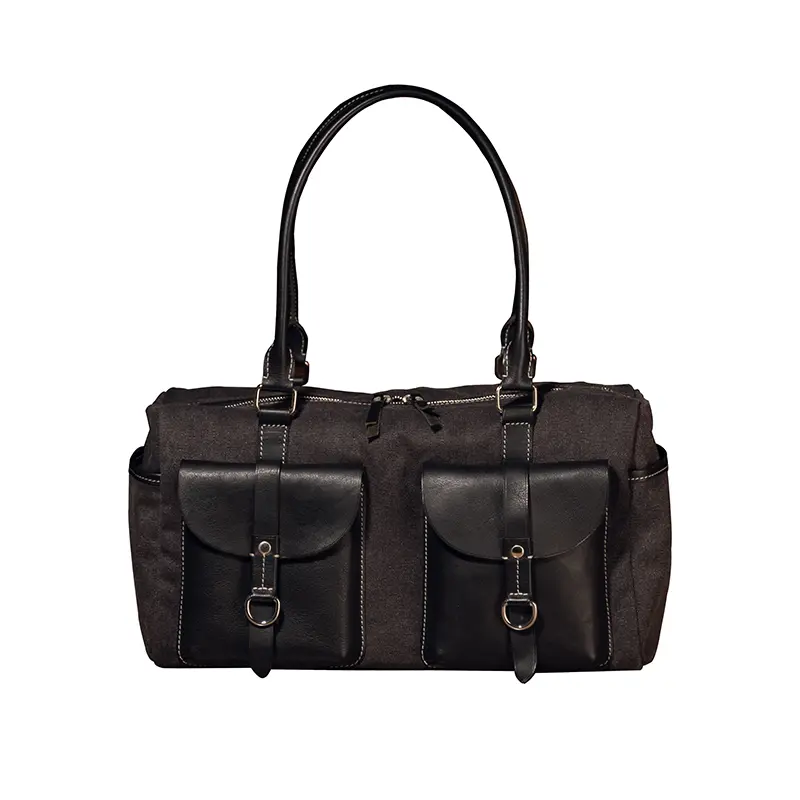
The prototype of the handbag can be traced back to medieval Europe at the earliest. At that time, male knights would wear small leather bags around their waists to store coins and personal tools. The "bags" at this time were more of practical tools and had no connection with "fashion". By the 16th century, as women's social activities increased, they began to use small silk bags embroidered with patterns, which were tied around their waists or arms with ribbons. The bags contained perfume powder, letters and small grooming items - this was the initial form of women's handbags and also marked the beginning of the combination of bags with "decoration".
After the Industrial Revolution in the 19th century, handbags underwent their first significant transformation. The popularization of railway transportation has increased people's travel frequency, and the demand for "portable storage" has significantly risen. At the same time, women's clothing shifted from corset long dresses to lighter styles. The small bags that used to be hidden under the skirt hem were no longer suitable, and thus "travel bags" and "shopping bags" that could be carried with one hand came into being. In 1896, Louis Vuitton launched the "Alma" handbag, which, with its hard shell design and classic Monogram pattern, became the first handbag that combined practicality and brand recognition, ushering in the era of "brand handbags".
In the middle of the 20th century, handbags had completely become a core element of fashion trends. In 1955, Chanel launched the "2.55" handbag, which for the first time incorporated metal chains into its design, allowing women to carry their bags without having to use their hands. This not only liberated their hands but also added to their elegance. In 1965, Gucci's "Jackie 1961" handbag became famous because of the love of the First Lady of the United States, Jacqueline Kennedy. The soft leather and simple lines became the standard for elegant women at that time. During this period, handbags were no longer "accessories" to clothing but "fashion stars" that could define the overall look.
We use cookies to offer you a better browsing experience, analyze site traffic and personalize content. By using this site, you agree to our use of cookies. Privacy Policy