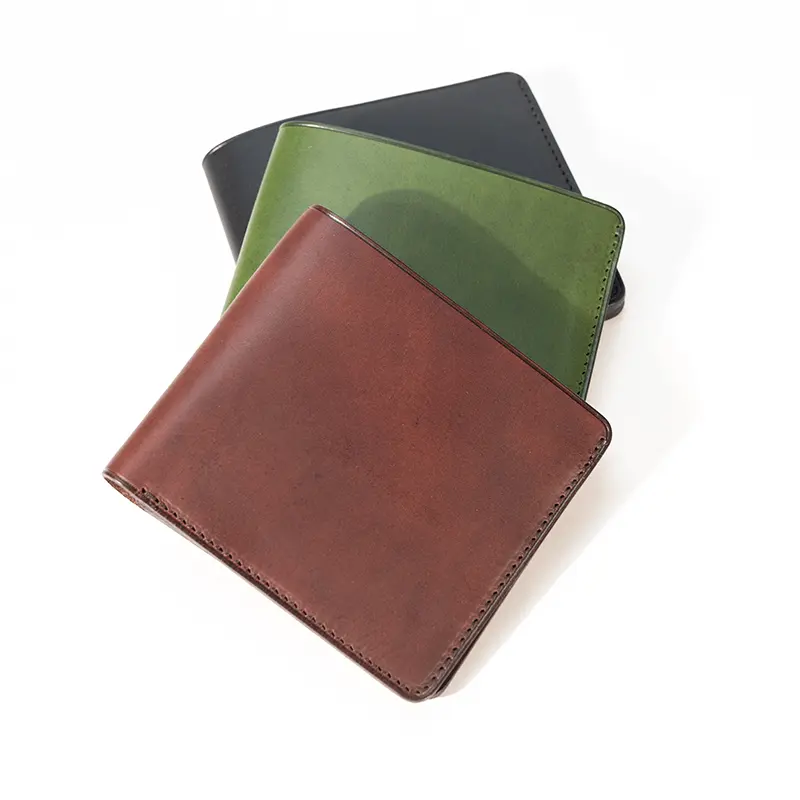
Can Vegetable-Tanned Leather Make Wallets More Sustainable?
Core Sustainability Advantages of Vegetable-Tanned Leather
Vegetable tanning uses natural tannins extracted from tree bark, leaves, fruit husks and wood instead of chromium-based chemicals for tanning.
1.Non-toxic tanning agents
No heavy chromium salts. The wastewater contains fewer toxic heavy metals, reducing pollution to soil and water compared with conventional chrome-tanned leather.
2.Biodegradable at end of life
Unlike chrome-tanned leather (which retains heavy metals) or PU faux leather (plastic-based, slow to degrade), well-made vegetable-tanned leather will biodegrade naturally over time once discarded.
3.Long product lifespan
High-quality vegetable-tanned leather ages beautifully and develops unique patina. When made into wallets, it resists tearing and lasts for many years. Longer usable life directly cuts down on fast-fashion waste.
4.Natural raw materials
Tannins are renewable plant by-products from forestry industries.
Important Limitations
1.Higher water & energy consumption
Vegetable tanning is a slower, lengthier process. It generally uses more water than chrome tanning. Poorly managed tanneries may still create organic waste and water pollution without proper filtration systems.
2.Source matters
If the hides come from industrial intensive livestock farming, the carbon footprint from animal raising still applies. Vegetable tanning only improves the tanning stage, it does not eliminate livestock emissions.
3.Care requirements
It absorbs water easily and can stain. Without proper finishing, wholesale wallets need customer care guidance.
4.Higher cost & longer lead time
Vegetable-tanned leather wallets usually come with a higher unit price and longer production lead times than chrome leather, which affects bulk order budgets.
Wholesale Sourcing Checklist
To get truly sustainable vegetable-tanned leather wallets:
√ Confirm tannery wastewater treatment certifications
√ Check for responsible hide sourcing
√ Ask about chemical-free finishing
√ Verify waste recovery practices at the tannery
Related News
- How Should Godere Choose the Right Wallet Size for Modern Users?
- How does material choice affect wholesale wallet durability?
- When to Wear This Ostrich-Embossed Wrist Bag?
- How to choose the closure method of a bag?
- Eco-friendly and stylish: The melanin leather tote leads a new trend in urban commuting with its 'lightweight, durable, minimalist aesthetic'.
- Retro Trend Returns Handmade stitched genuine leather short wallet, the new city favorite, combining quality and practicality
Leave me a message