How Is a Genuine Leather Bag Born?
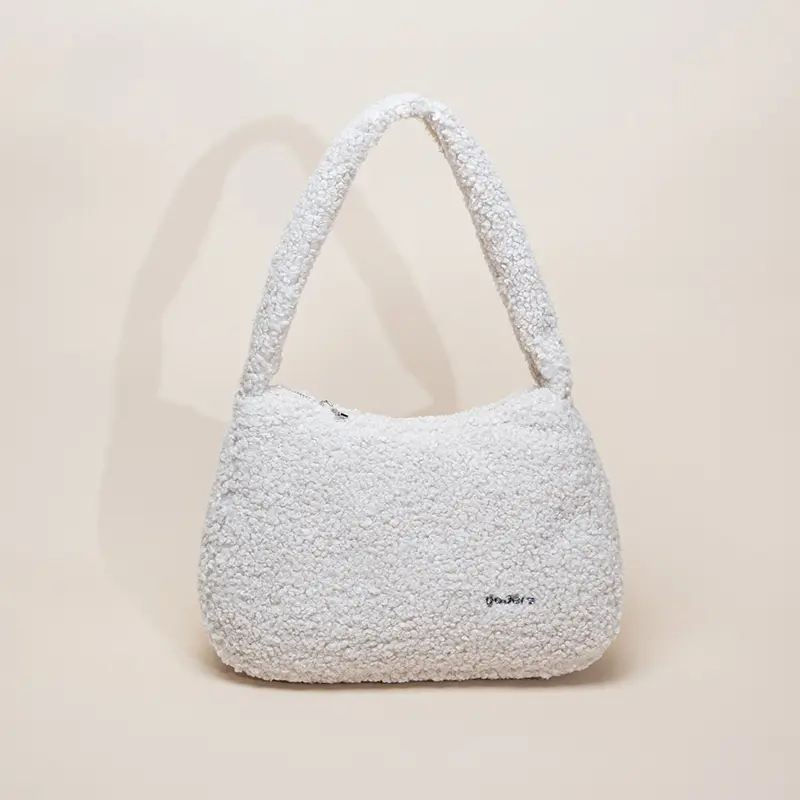
In the leather goods industry, bringing a high-quality handbag to life begins with meticulous and precise sample prototyping. From initial design sketches to the final product, every step reflects the craftsmanship and dedication of skilled
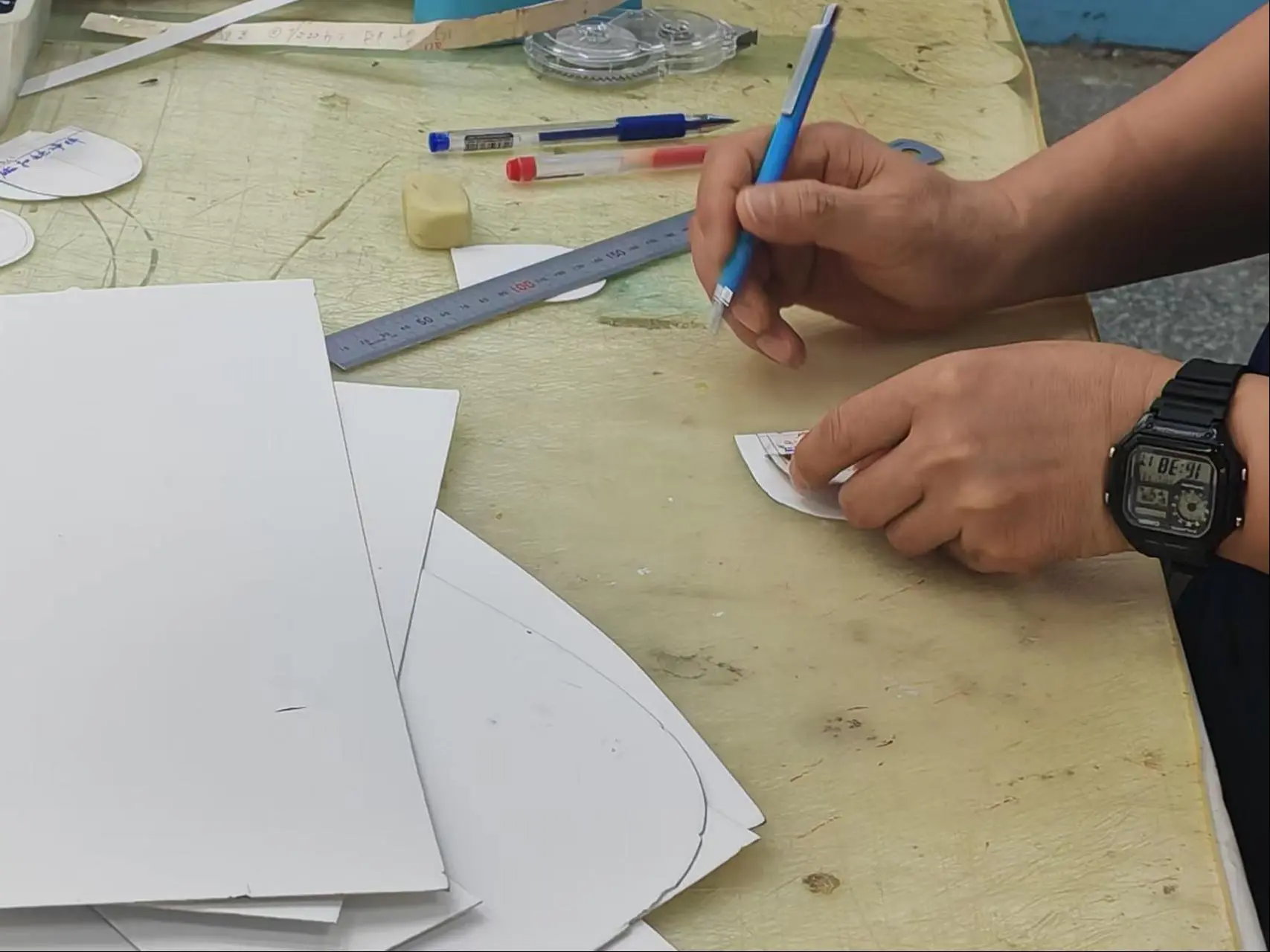
Sample development is the crucial first step in turning a design into reality. Upon receiving a design brief, the development team carefully reviews the blueprint, breaks down the pattern, and creates paper templates based on the handbag’s shape and dimensions. These templates are the foundation for the bag’s structure; artisans meticulously compare measurements, fine-tuning every detail to ensure the silhouette and curves perfectly match the original vision.

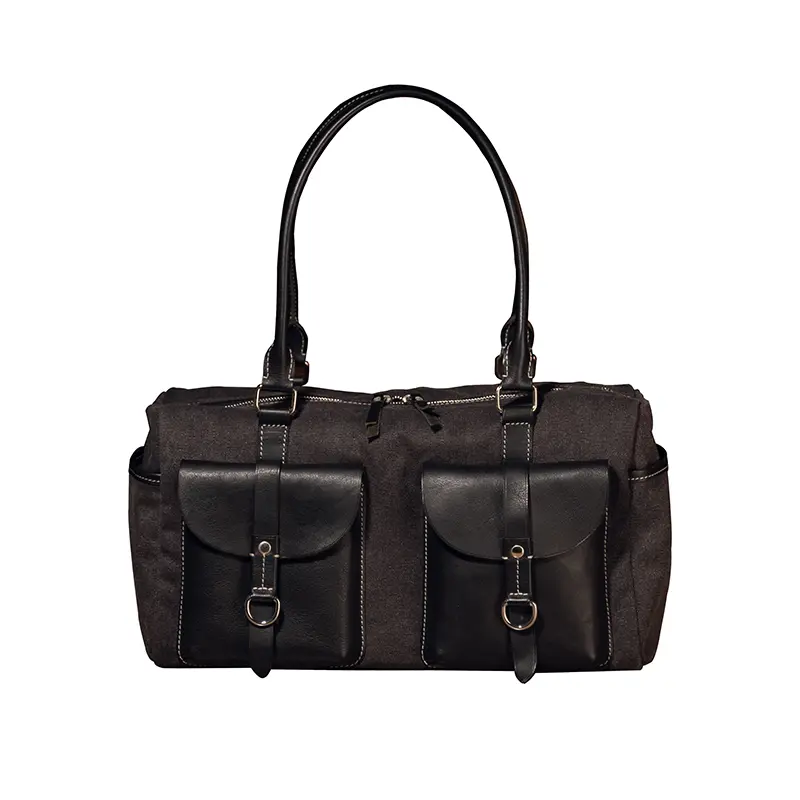
Once the paper patterns are finalized, the cutting process begins. Craftsmen select premium leather materials and precisely cut each component—body, shoulder strap, pockets, and hardware—according to the template. Every piece is measured with precision, maximizing material efficiency while ensuring zero tolerance in part dimensions.

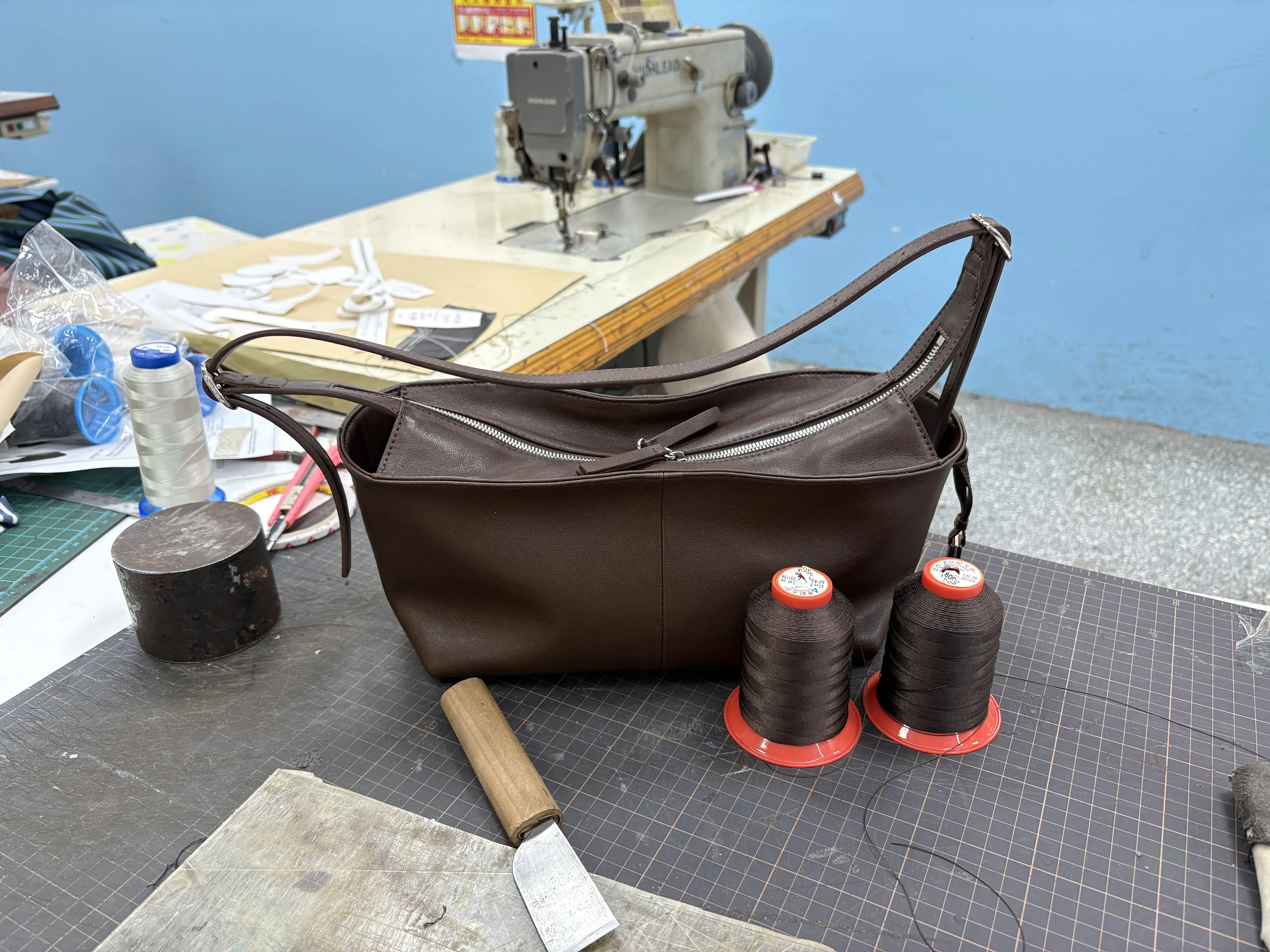
The cut pieces then move to the handcrafting station, where artisans begin assembling the semi-finished components. They carefully join the main body, sew zippers, align accessories, and meticulously finish edges and seams. The curvature and stitching lines are repeatedly adjusted to achieve perfect symmetry and balance. When dealing with complex structural details, craftsmen continuously refine their techniques to optimize both tactile feel and visual appeal, refining every nuance of the design.

Next comes the sewing stage, where skilled tailors operate specialized equipment to stitch together the main body of the handbag. Stitches are even, neat, and strong, combining durability with aesthetic refinement. Throughout the sewing process, technicians cross-check against the original design specifications, monitoring fit and dimensions closely and making immediate corrections if any deviations arise, ensuring the sample remains true to the intended design.

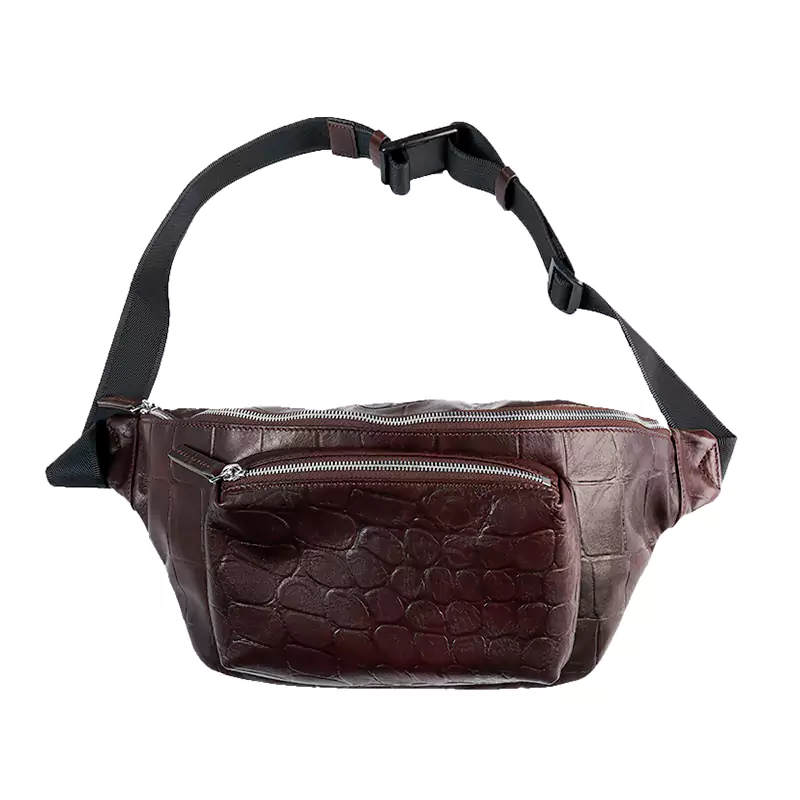
After multiple rounds of assembly, finishing, and polishing, a complete leather handbag sample gradually takes shape. Once completed, the team conducts a comprehensive inspection, evaluating the silhouette, craftsmanship, hardware quality, and overall user experience. Any shortcomings are identified and iteratively improved upon until the sample meets all standards, laying a solid foundation for future mass production.

From a single design sketch to a beautifully crafted leather sample in hand, every step relies on the artisan’s unwavering commitment to excellence. Godere adheres to a rigorous sample development process to ensure consistent product quality, carefully refining each piece of leather goods with precision and care. Through time-honored craftsmanship, they create leather bags that combine exceptional aesthetics with practical functionality.
Related News
- Godere Celebrates National Day and Greets All Global Partners
- How Long Does It Take to Develop a Custom Wallet Sample?
- What quality inspections does Godere run before wallet shipment?
- How does Godere Keep Wallet Quality Consistent in Mass Production?
- Godere Extends Warm Mid-Autumn Festival Wishes to Global Partners
- How did Godere assist a German client with the prototyping and development of their first custom wallet?
Leave me a message