How does Godere Keep Wallet Quality Consistent in Mass Production?
Why the Sample Alone Is Not Enough
An approved sample tells a factory what the buyer likes. It does not, by itself, tell the production floor what to reproduce. Between the sample and the shipment there are separate batches of leather, a different cutting day, a different operator on the stitching line, and often a second supplier for lining or thread. Each of those is a chance for the wallet to drift in a way that no photograph can capture. The control that prevents drift is a written specification taken from the approved sample, plus a retained piece that both sides keep.
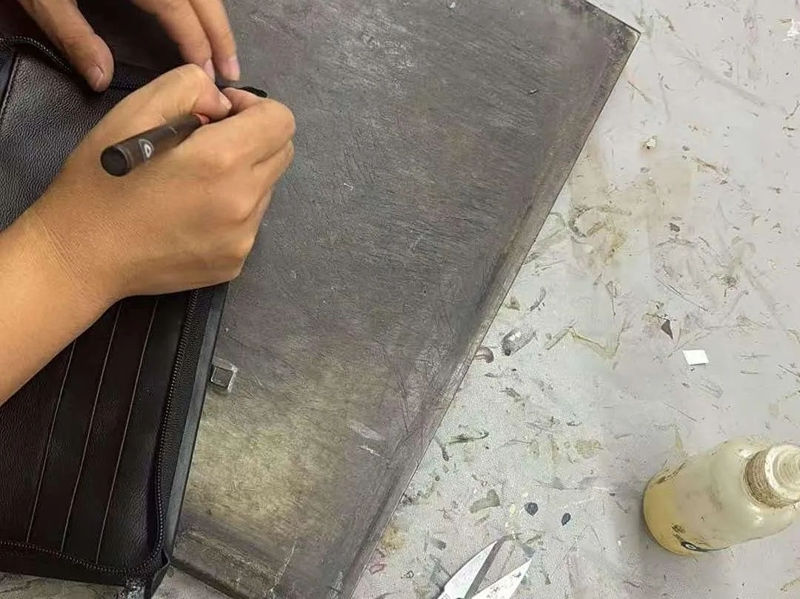
The Golden Sample and the Specification Sheet
The approved piece is sealed, signed and dated, and becomes the reference for the order. Two copies are kept, one at the factory and one with the buyer, and each carries the same revision number as the artwork and the specification sheet. The specification sheet that accompanies it records the items that cannot be judged by eye alone:
Leather: article name, tannery, thickness in millimetres and temper, so that a later batch can be compared rather than described
·Lining and interlining: material, weight and colour code
·Thread: fibre type, size and thread colour number, because a half shade difference is visible against natural leather
·Hardware: finish, plating colour, and the closing force of a snap where a snap is used
·Stitch density: stitches per inch on the top, edge and decorative lines, which controls both look and strength
·Edge treatment: painted, folded or burnished, and the number of coats where the edge is painted
·Dimensions: closed and open, with the tolerance range agreed for a soft material rather than copied from rigid goods
·Markings: logo position, embossing depth and label placement
Related News
- What quality inspections does Godere run before wallet shipment?
- Godere Extends Warm Mid-Autumn Festival Wishes to Global Partners
- How Is a Genuine Leather Bag Born?
- How did Godere assist a German client with the prototyping and development of their first custom wallet?
- Behind Goderebag Production: From Pattern-making to Leather Cutting
- How to Choose a Commuter Underarm Bag? A Comprehensive Comparison Guide: PVC vs. PU Materials
Leave me a message