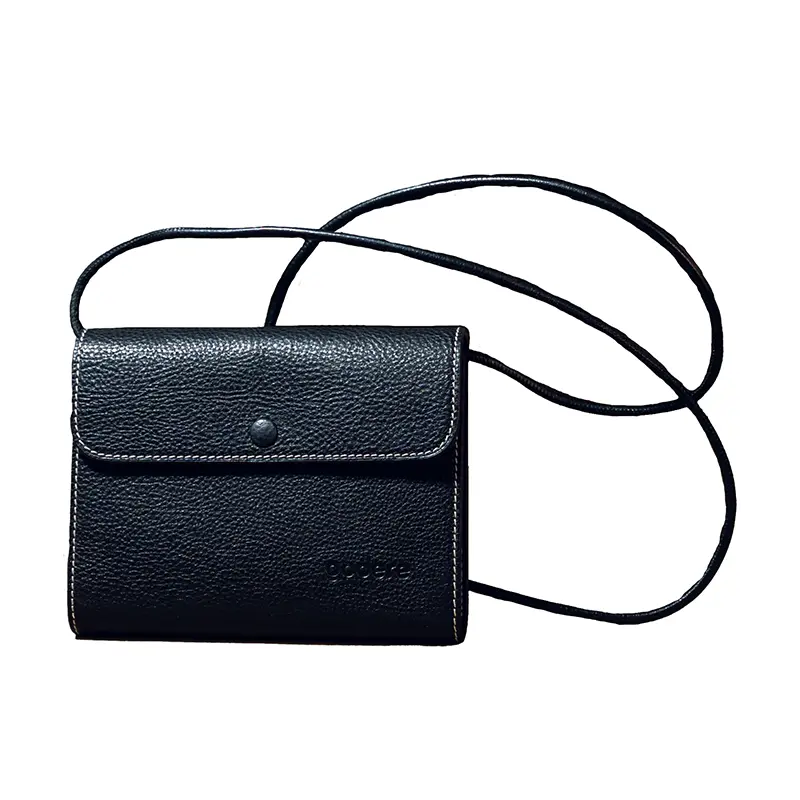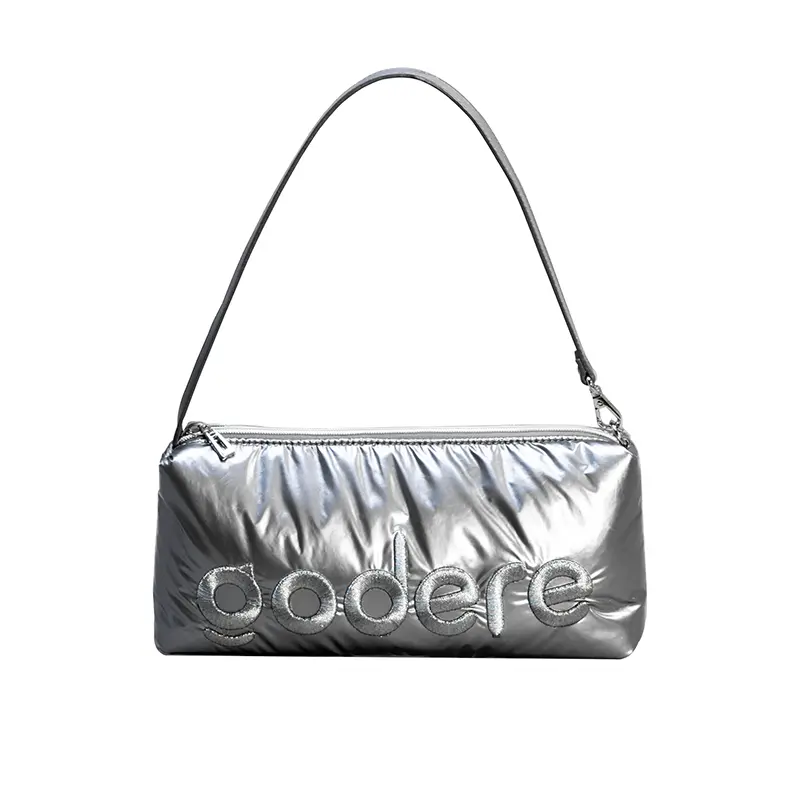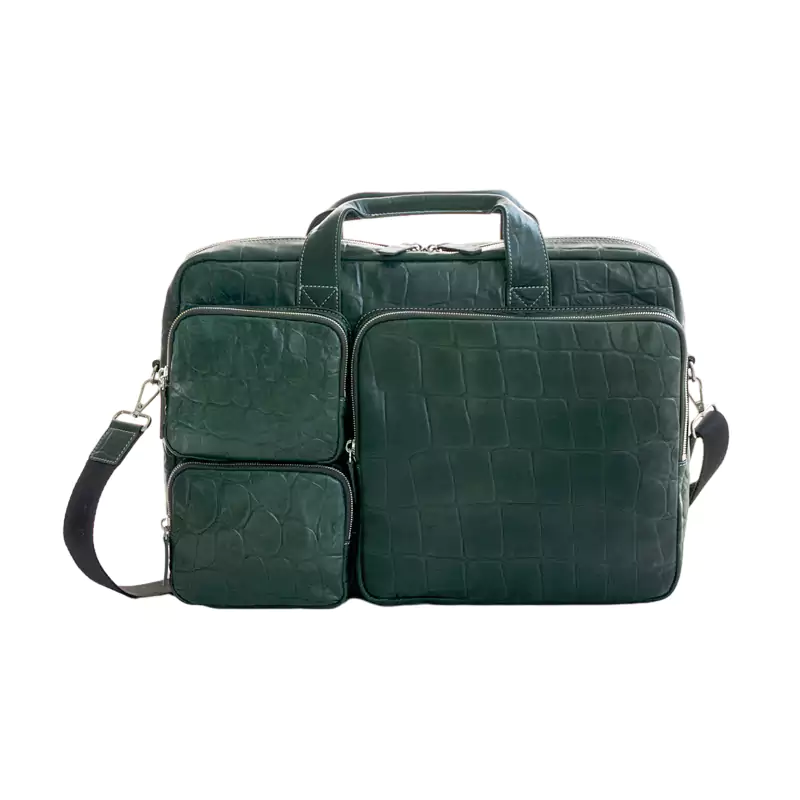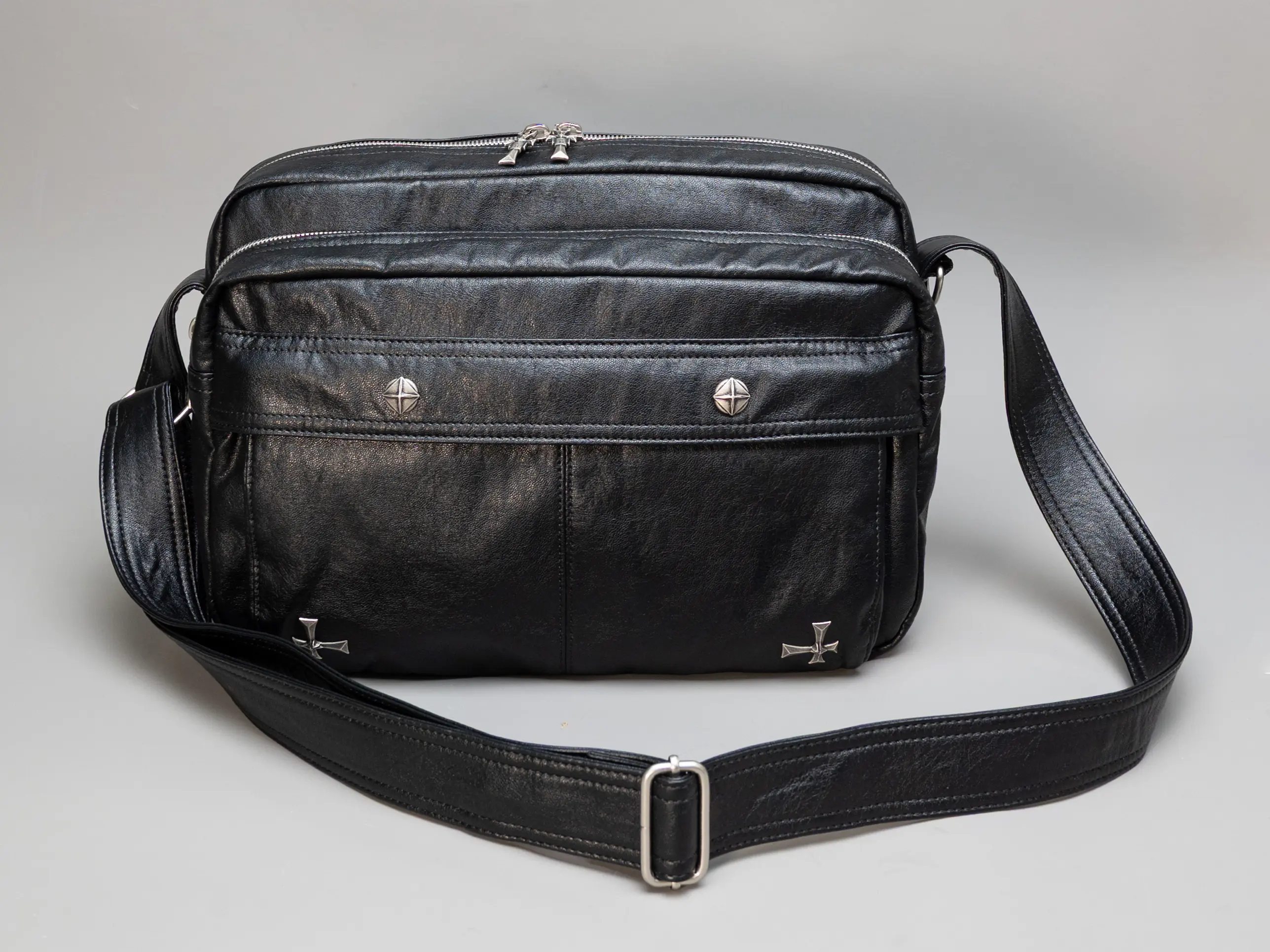
Crafted Vegetable Tanning, Handmade Vegetable-Tanned Leather Wallet with Traces of Time
The material used is Mbox tanned cowhide, which is a soft tanned leather. It has a soft feel and abundant oil secretion, making it suitable for polishing. The surface scratch repair ability is strong. During use, it will gradually become smooth and fine due to the secretion of oil, and its color will naturally deepen over time, creating a unique "aging color" effect.

Core advantages and features
Environmentally friendly and healthy: It is tanned with plant tanning agents (such as bark and fruit extracts), without heavy metal chromium, which is harmless to the human body. It is suitable for close contact use and also conforms to the concept of sustainability.
Unique texture: The leather is firm, stiff, and has supporting strength. It has a warm touch. With the passage of time, it will naturally become softer, while maintaining a good shape.
Color-changing characteristics: This is the most charming feature of tanned leather - it will gradually deepen in color due to sunlight exposure, hand sweat, and contact with oil, from light brown to dark brown, even showing a honey color sheen, creating a unique "time mark".
Breathable and durable: The natural fiber structure of the leather makes it breathable and not prone to sweating; it has high density and good extensibility, has a long service life, and is suitable for frequent daily use.
Malleability: It can be shaped and carved after being moistened, often used for leather art crafts, and also suitable for making complex wallets.
Production method
The core of tanning leather production lies in the "plant tanning method", which is an ancient and long-standing process that completely relies on natural plant extracts rather than chemical chromium salts. The main steps are as follows:
Raw material extraction: Tanning agents are extracted from plants rich in tannin, such as acacia bark, oak nut (acorn shell), and lacquer tree bark. These plant tannins are polyphenolic compounds that can deeply combine with collagen in the raw skin.
Tanning process: The treated raw skin is immersed in the plant tanning agent solution, which may last for weeks or even months. Tannin molecules combine with collagen fibers through hydrogen bonds and colloid interactions, converting the easily rotting biological tissue into stable and durable leather.
Post-treatment: After tanning, the leather undergoes oil application, drying, pressing and other processes to enhance its flexibility and appearance. Some high-end products may also undergo hand polishing or coloring, but the original color tanned leather best reflects its natural texture.
Maintenance method
Waterproof and moisture-proof: Avoid getting wet. When wet, use a dry cloth to absorb and dry immediately, and do not expose to direct sunlight or dry. Moist environments are prone to mold, so store in a dry and ventilated place.
Avoid alcohol and chemicals: Alcohol, perfumes, cosmetics, etc. will damage the leather, causing cracking or fading. Keep hands clean and dry when using.
Regular oil maintenance: Use a special leather care oil (such as mink oil, ox horn oil) to lightly rub the surface every 1-2 months to delay aging and maintain softness and luster.
Gentle cleaning of stains: For minor stains, use a white eraser to wipe gently; for deep stains, use gray sand rubber surface treatment. Avoid excessive force to prevent marks.
Avoid scratching and heavy pressure: Stay away from sharp objects, do not mix with rough fabrics or colored items, to prevent scratches or color transfer.
Value manifestation
The value of tanned leather lies not only in its physical properties, but also in its cultural and emotional value:
Cultural value: The manual tanning process is included in the protection category of intangible cultural heritage, and the Italian Tuscan tanning process makes it a carrier of traditional craftsmanship.
Personalized experience: Each tanned leather product will have a unique color and texture due to the user's habits and environment. This "accumulation of usage traces" aligns with modern consumers' pursuit of personalized items.
Using the Italian brand Buttero, the price is much higher than ordinary chrome-tanned leather products, becoming the preferred choice for consumers who pursue a quality lifestyle. Q&A
Uneven color change or blackening: This is mostly caused by contact with sweat (alkaline), excessive exposure to the sun, or excessive oil. It is a normal oxidation process and can be improved by applying even oil and moderate drying.
Hard-to-remove water stains: Once water is spilled and not dried in time, it is likely to leave permanent water marks. Prevention is better than cure. It is recommended to use a waterproof spray for pre-treatment.
Dry cracking of the skin: Caused by long-term lack of maintenance or excessive exposure to the sun. Timely oil application and storage in a dark place can restore some elasticity.
Odor or mold spots: Mold grows in humid environments. Use a soft cloth dipped in a small amount of white vinegar to gently wipe and then let it dry in the shade. In severe cases, professional treatment is required.
Related News
- How Should Godere Choose the Right Wallet Size for Modern Users?
- Can Vegetable-Tanned Leather Make Wallets More Sustainable?
- How does material choice affect wholesale wallet durability?
- When to Wear This Ostrich-Embossed Wrist Bag?
- How to choose the closure method of a bag?
- Eco-friendly and stylish: The melanin leather tote leads a new trend in urban commuting with its 'lightweight, durable, minimalist aesthetic'.
Leave me a message