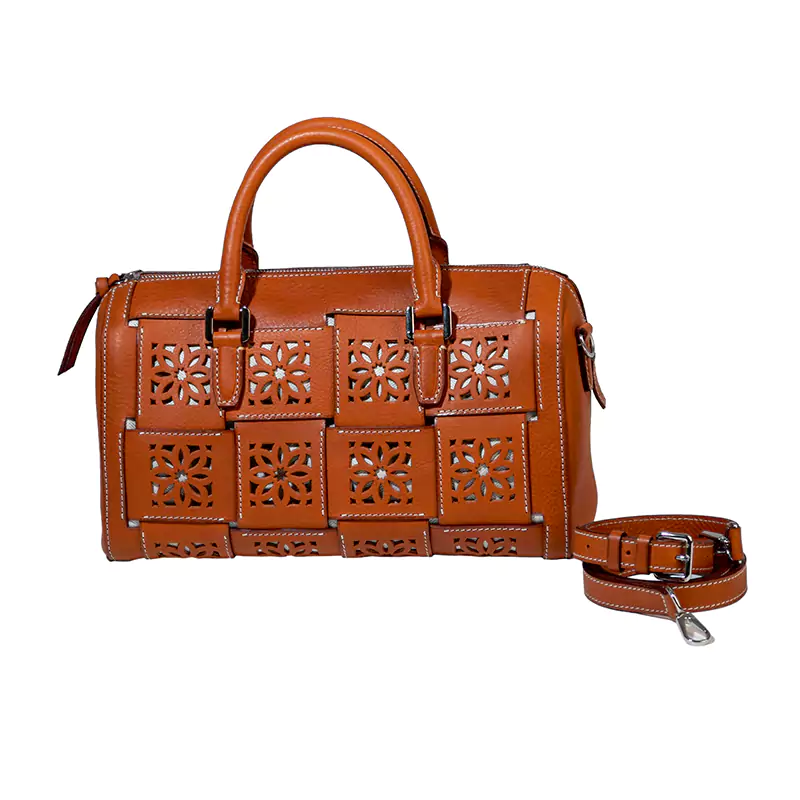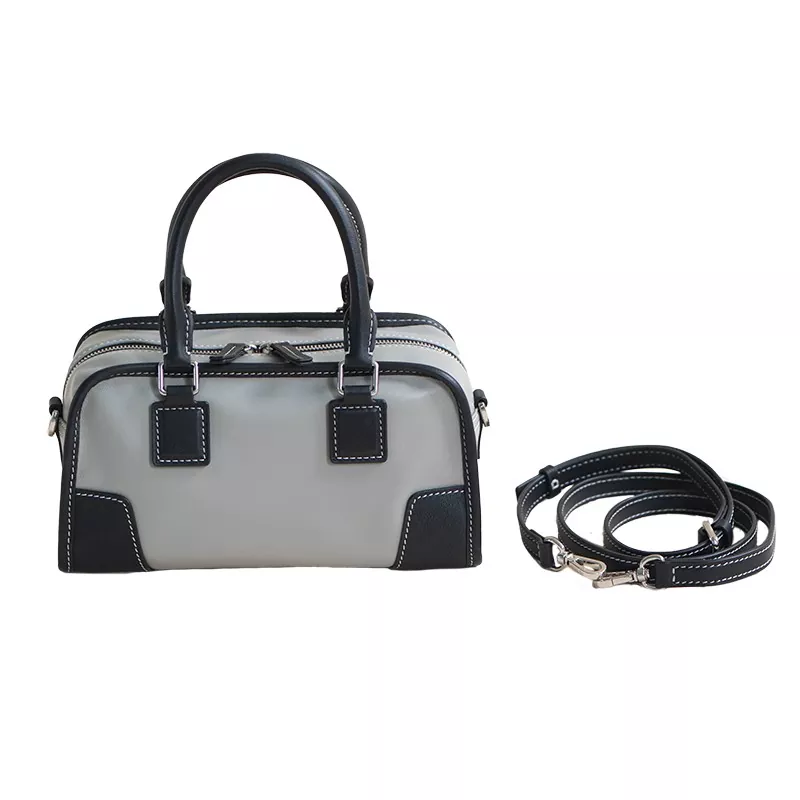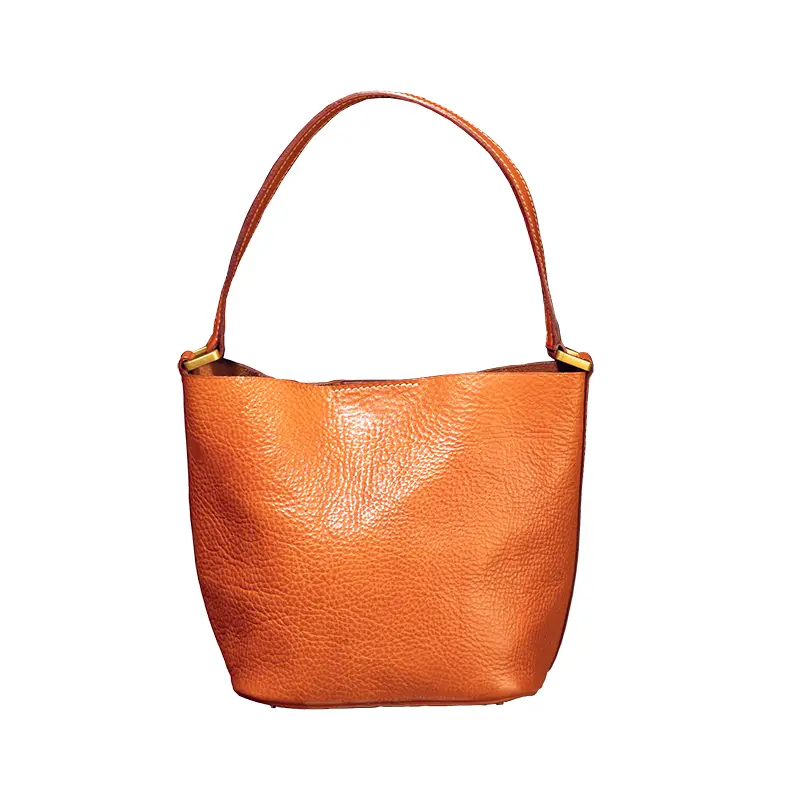
What Makes a Vegetable-Tanned Handbag Special?
Vegetable-tanned handbag is a phrase that resonates with quality, craftsmanship, and sustainability. In this comprehensive guide, we explore what vegetable-tanned leather is, why it matters in handbags, and how it compares to other tanning methods. Whether you're a leather enthusiast or a consumer seeking a premium handbag, this article answers your most pressing questions.

📌 Table of Contents
- What Is a Vegetable-Tanned Handbag?
- How Is Vegetable-Tanned Leather Handbag Made?
- Why Is Vegetable-Tanned Leather Important?
- Which Benefits Does a Vegetable-Tanned Handbag Offer?
- How Do You Care for a Vegetable-Tanned Handbag?
- How Does It Compare to Other Tanning Methods?
- Frequently Asked Questions (FAQ)
What Is a Vegetable-Tanned Handbag?
Vegetable-tanned leather refers to leather that has been tanned using tannins and other ingredients found in vegetable matter, such as tree bark, leaves, and fruits. This traditional method has been used for centuries and contrasts sharply with modern chrome tanning, which uses chemical agents.
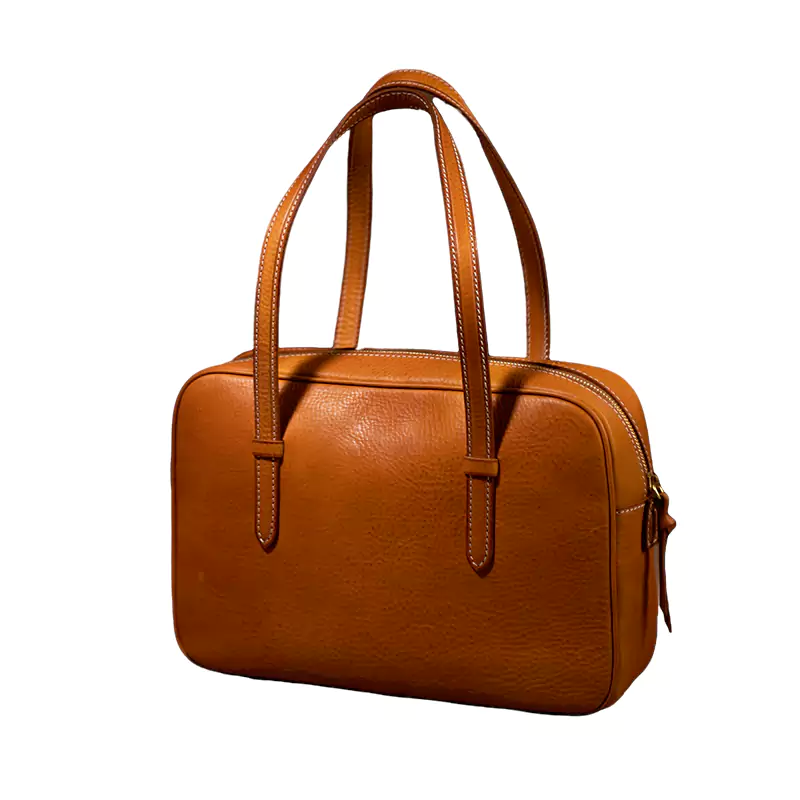
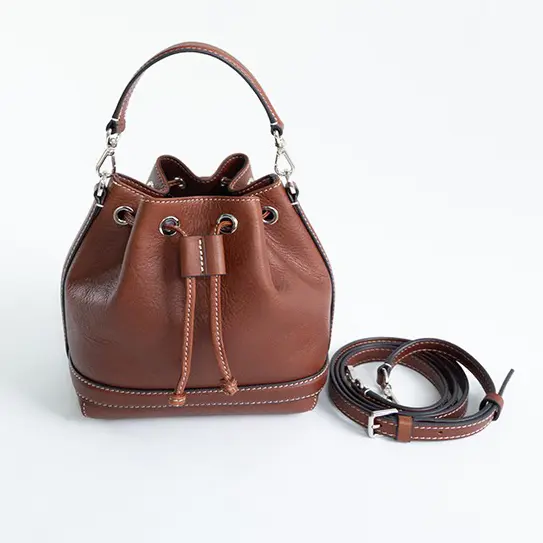
In handbags, vegetable-tanned leather produces a distinctive look and feel — a surface that is firm yet develops a rich patina as it ages. Brands like Qingdao Jiarong Leather Products Co., Ltd. specialize in crafting premium vegetable-tanned leather handbags valued for their durability and character.
How Is a Vegetable-Tanned Leather Handbag Made?
The making of a vegetable-tanned leather handbag involves a series of detailed and labor-intensive steps:
- Selection of Raw Hides: High-grade hides are chosen for strength and texture.
- Vegetable Tanning: Hides are soaked in natural tannins for weeks. This slow process allows tannins to penetrate deeply.
- Drying and Conditioning: After tanning, hides are dried naturally and conditioned.
- Cutting and Sewing: Leather pieces are cut and stitched to form handbag panels.
- Finishing Touches: Hardware, lining, and protective coatings are added.
| Step | Description |
|---|---|
| Selection | Choosing premium raw hides. |
| Tanning | Vegetable tanning with natural tannins. |
| Crafting | Cutting, stitching, and assembly. |
| Finishing | Adding hardware & conditioning. |
Why Is Vegetable-Tanned Leather Important?
Vegetable-tanned leather is significant for several reasons:
- Environmentally Friendly: Uses natural materials instead of harsh chemicals.
- Durability: Leather becomes stronger over time.
- Patina Development: Gains character with age, creating a unique look for each bag.
Manufacturers like Qingdao Jiarong Leather Products Co., Ltd. emphasize sustainable production, ensuring that each vegetable-tanned handbag meets high environmental and quality standards.
Which Benefits Does a Vegetable-Tanned Handbag Offer?
Here’s a comparison of key benefits versus other leather types:
| Feature | Vegetable-Tanned Leather | Chrome-Tanned Leather |
|---|---|---|
| Longevity | High – improves with age | Medium – stable but less character |
| Eco-Friendliness | High – natural tannins | Low – chemical usage |
| Patina | Develops rich patina | Minimal patina |
| Texture | Firm & natural | Softer, uniform feel |
How Do You Care for a Vegetable-Tanned Handbag?
To maintain a vegetable-tanned handbag:
- Avoid Water Exposure: Water can leave marks on natural leather.
- Condition Regularly: Use leather conditioner every few months.
- Store Properly: Keep in a breathable bag when not in use.
- Handle with Clean Hands: Oils from skin will affect patina.
Proper care ensures your bag from Qingdao Jiarong Leather Products Co., Ltd. becomes more beautiful with time.
How Does It Compare to Other Tanning Methods?
Other tanning methods include chrome tanning and synthetic tanning:
- Chrome Tanning: Faster and less expensive but uses chemicals.
- Synthetic Tanning: Uses artificial compounds that may affect leather quality.
- Vegetable Tanning: Slow, natural, and produces deeper character in leather.
This makes vegetable-tanned leather preferred for premium handbags where longevity and natural aging are desired.
Frequently Asked Questions (FAQ)
What exactly is vegetable-tanned leather?
Vegetable-tanned leather is leather tanned using natural plant-based tannins. This process can take several weeks, resulting in a firm yet pliable material that develops a patina over time.
Why choose a vegetable-tanned handbag over other types?
A vegetable-tanned handbag offers eco-friendliness, long-lasting durability, and a unique patina that improves with time, making it highly desirable for consumers who value natural aging and sustainability.
How do I maintain a vegetable-tanned handbag?
To maintain it, avoid prolonged water exposure, condition the leather periodically, and store it in a breathable environment. Regular care enhances longevity and patina development.
Is vegetable-tanned leather expensive?
Yes, it is often more expensive due to the time-intensive tanning process and high-quality natural materials involved. However, the durability and aesthetic value justify the cost for many buyers.
Do vegetable-tanned handbags suit daily use?
Absolutely — they are durable and meant to be used. With proper care, they stand up well to daily wear and develop a richer patina the more they are used.
Related News
- When to Wear This Ostrich-Embossed Wrist Bag?
- How to choose the closure method of a bag?
- Eco-friendly and stylish: The melanin leather tote leads a new trend in urban commuting with its 'lightweight, durable, minimalist aesthetic'.
- Retro Trend Returns Handmade stitched genuine leather short wallet, the new city favorite, combining quality and practicality
- Crafted Vegetable Tanning, Handmade Vegetable-Tanned Leather Wallet with Traces of Time
- Genuine Leather Creative Handmade Macron Color Simple Style Card Holder
Leave me a message